












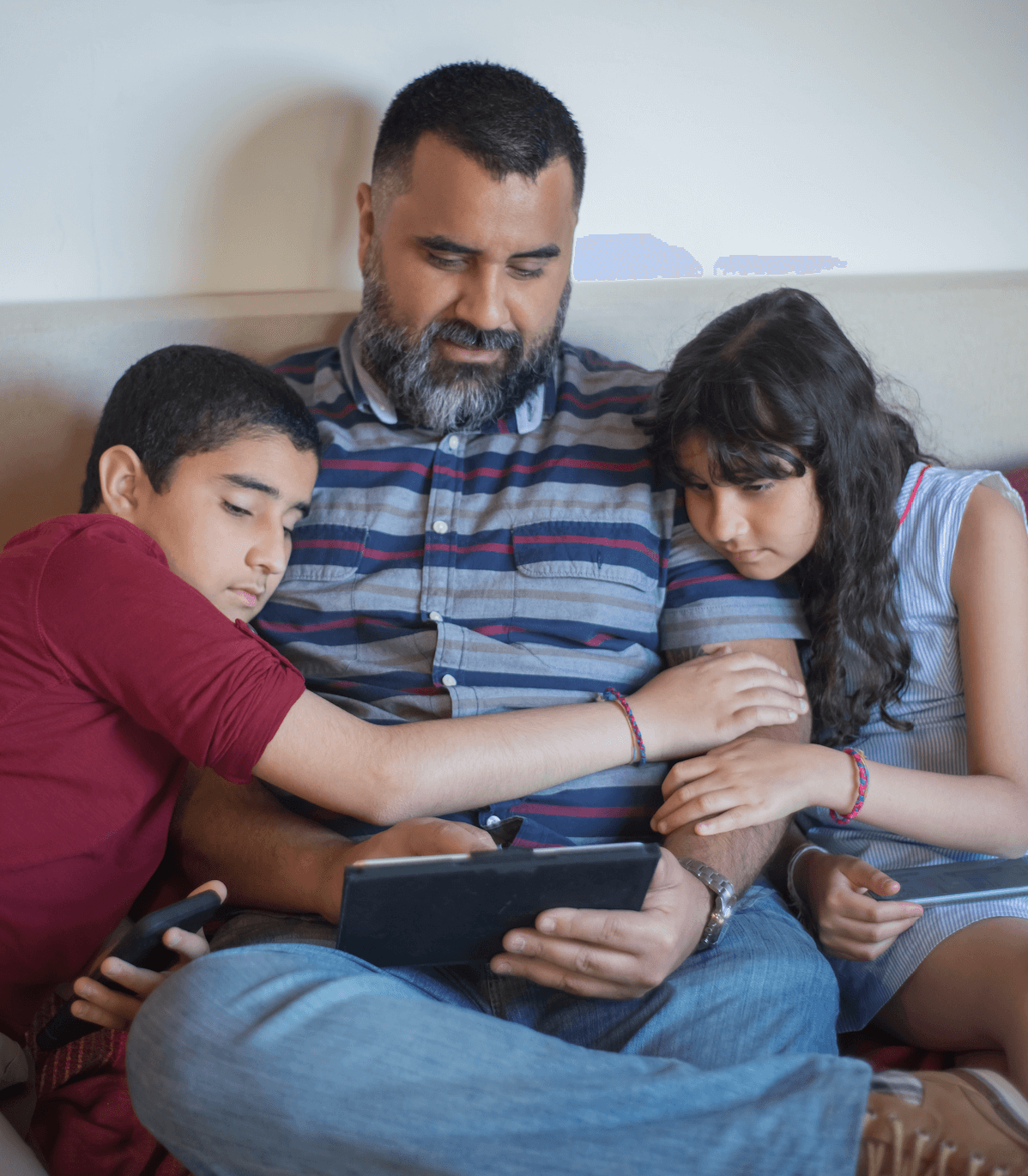
Supporting Children Through a Parent’s Cancer

When a parent has cancer, their kids need support too. Because of Kesem, that transformative support is possible. Passionate and expertly trained college students, Kesem alumni, and staff lead free programs that meet your kids where they are, from ages 6-18.

Registration is now open for:

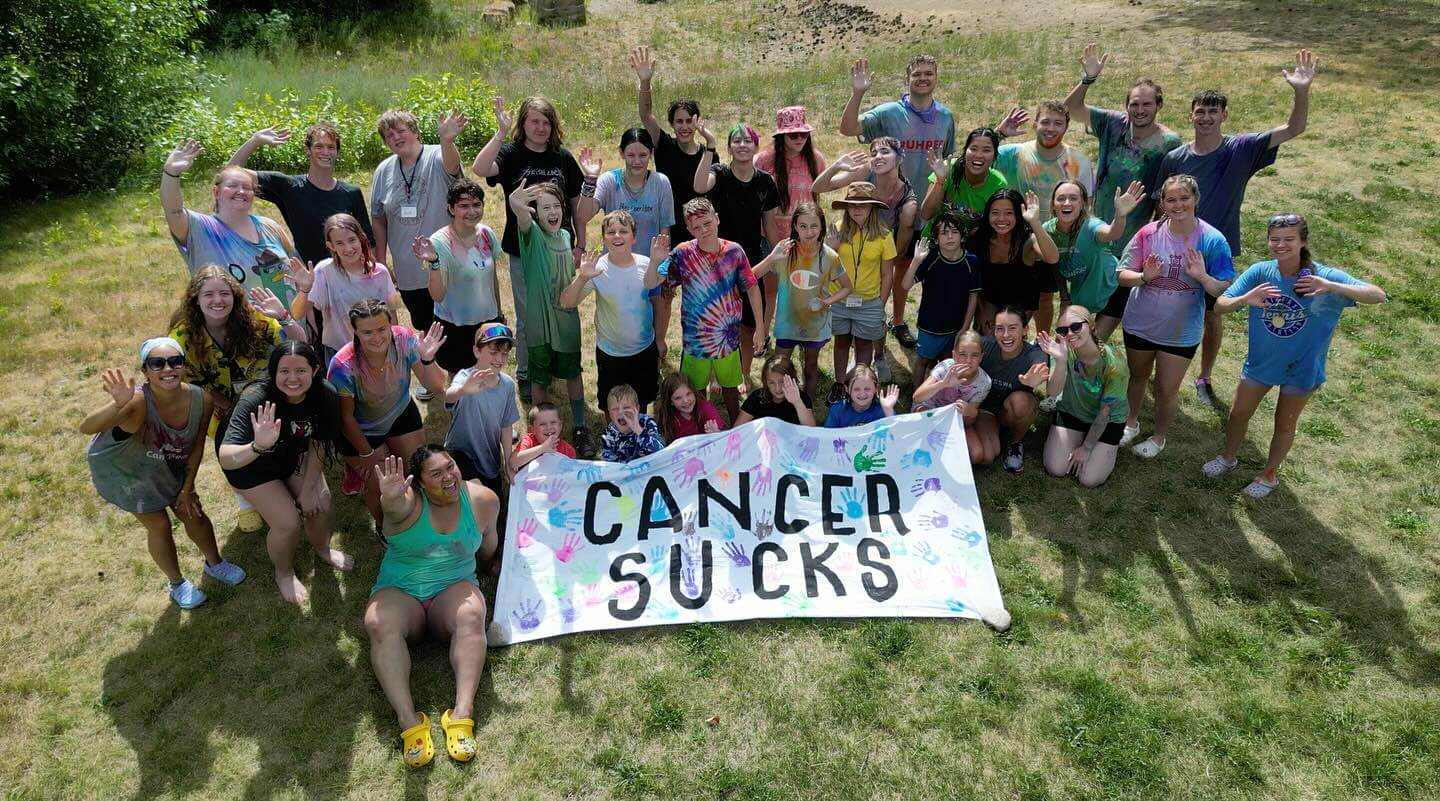
A free summer camp where kids can be kids again.

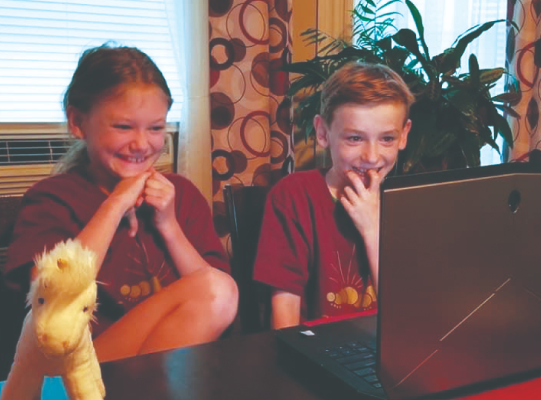
Virtual monthly events for year-round connection.

A day of community connection with new and old friends.

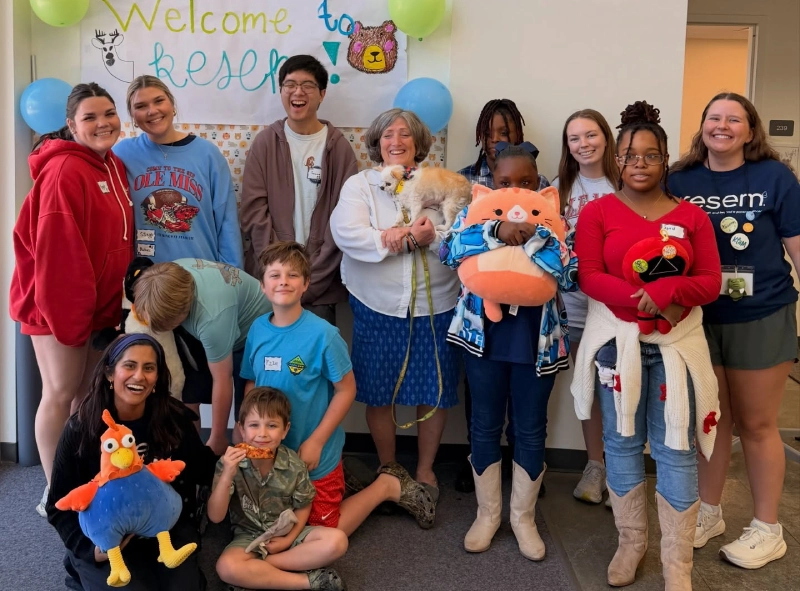
On-site gatherings in the community for kids while their parents receive care.

For program dates and locations, click the Register button above or visit each program's page.

Creating fun. Building community. Empowering the next generation.

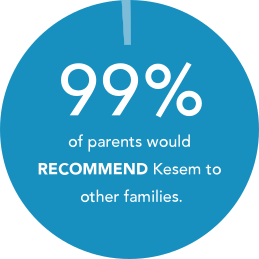
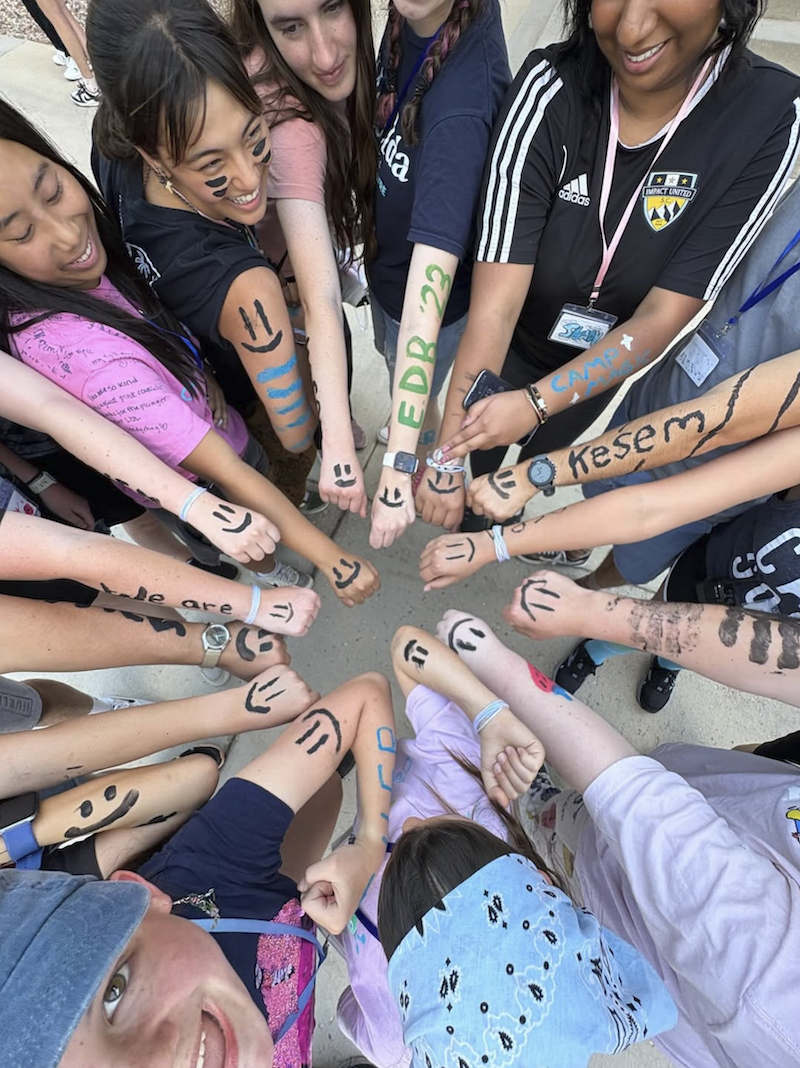
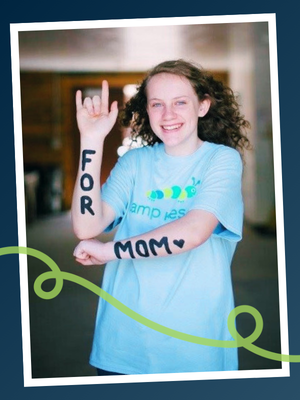
For Kesem kids and our college student volunteers, Kesem is a life-changing experience that spans far beyond a week at summer camp, or a day at other events. It gives them the joy, connection, and resilience they need, and gives parents the comfort of knowing their kids are supported.

Because of Kesem, I am a better human... I've learned what it means to lead with empathy. I've grown stronger, kinder, and more open-hearted. I've found a family that inspires me to be my best self.
— Former Kesem Camper and College Student Volunteer
heart icon outline

The Need

More than 5 million children in the United States have a parent who is living with or has died from cancer, and this number is growing.

While many programs, services, and communities support those coping with their own cancer diagnosis, these children often lack the resources, spaces, or peer-to-peer support tailored to help address their needs and experiences.

double heart icon

Clinically Proven Support

We support these children through and beyond their parent's cancer with free, fun-filled programs ensuring they never face cancer alone.

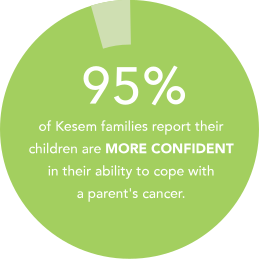
Kesem's programs are clinically proven to play a critical role in enhancing quality of life by offering peer connection, emotional expression, recreational activities, and a sense of normalcy and empowerment in the face of family illness.

The Unexpected Role: When Children Become Caregivers

Childhood and adolescence are often marked by exploration, learning, and growth. However, when a parent is diagnosed with cancer, the dynamics within a family can shift dramatically. Children and teens may be stepping into caregiving roles, which can profoundly impact their emotional, mental, and social well-being.


Per the American Association of Caregiving Youth (AACY), at least 5.4 million children and teens under 18 take an active role in caregiving for a parent with a chronic disease like cancer in the United States. These young caregivers face unique challenges and stressors that can significantly affect their development and well-being. Continue reading to learn more about the multifaceted challenges faced by young caregivers and insights into managing these challenges effectively.

Read the Blog
Online Support: Virtual Communities For Kids Dealing With A Parent's Cancer

Discovering that a parent has cancer can turn a child's world upside down. It's an emotional rollercoaster of fear, sadness, and confusion. During these challenging times, it's crucial for children to have a safe space where they can open up about their feelings, share their journey, and find solace in the stories of others who are navigating the same stormy seas.

That's where online support communities shine. They are a beacon of hope and understanding in the tumultuous journey of coping with a parent's cancer. These virtual havens offer a shoulder to lean on, a place where children can express themselves freely, learn from others, and discover that they are not alone in this struggle. Continue reading to learn more about these online spaces for young people grappling with a parent’s cancer.

Read the Blog
Fostering Hope And Positivity In Kids During A Parent's Cancer Treatment

A cancer diagnosis not only affects the patient but also sends ripples through their family, significantly impacting children. Watching a parent undergo cancer treatments is a profound and heartwrenching experience for a child. Watching their parent suffer from physical and emotional turbulence — hair loss, fatigue, and pain — can turn a child’s world upside down. Witnessing the once-indestructible pillar of their world become vulnerable is a harsh lesson in fragility and the preciousness of time.

Children may experience a range of emotions when dealing with a parent’s cancer treatment, including fear, sadness, and confusion. Acknowledging their feelings and providing them with the support they need to cope is essential. Continue reading for tips about practical ways to support kids dealing with a parent’s cancer treatment and help them maintain a positive outlook throughout a parent’s cancer journey.

Read the Blog
Supporting Children Through Parental Cancer: A Guide for Educators And School Staff

Dealing with cancer in the family is an incredibly challenging experience, particularly for children who may not fully understand what's happening. As teachers, coaches, school counselors, administrators, and other staff interacting with students daily, you’re uniquely positioned to offer support and stability during turbulent times.

In the face of such adversity, the role of educators and school staff is not just to educate but to nurture resilience, hope, and strength among their students. By adopting these strategies, they can help children cope with the uncertainty of a parent's cancer diagnosis and support them in finding their way through this challenging journey. Continue reading for practical advice and strategies to support children coping with parental cancer. 

Read the Blog
Helping Children Cope With A Parent's Chemotherapy

Discovering that a parent has been diagnosed with cancer can be an overwhelming and frightening experience for children. It's a road fraught with emotional hurdles. Yet, finding ways to communicate and support your children during these trying times is crucial, helping them navigate the storm of emotions and uncertainty that comes with this life-altering news.

If your treatment includes chemotherapy, you might find yourself grappling with the delicate task of preparing your child for the possible side effects of chemo, like fatigue, hair loss, nausea, and a higher risk of infections due to a weakened immune system.

Emotionally, the treatment can be a profound source of stress, anxiety, and depression for patients. The uncertainty about treatment outcomes, the alteration in physical appearance, and the disruption of daily life can lead to feelings of helplessness and distress.

Watching a parent undergoing chemotherapy can bring about a premature confrontation of the vulnerability of their parent, which may instill fear, anxiety, and even an unusual burden of responsibilities at a tender age. Simultaneously, it can foster an environment of increased empathy, resilience, and depth of understanding as children may become more acutely aware of life’s fragility and the importance of health. Continue reading for tips and advice to help children cope when a parent is receiving chemotherapy.

Read the Blog
Understanding Childhood Reactions: How A Parent's Cancer Impacts Children Emotionally

Receiving a cancer diagnosis is a profoundly challenging and transformative experience for any parent. However, the ripple effects of such a diagnosis extend far beyond the individual, permeating the entire family structure. It can be particularly impactful on children, who may experience acute emotional turmoil when a parent is diagnosed with cancer.

Read the Blog
Special Days: Celebrating Birthdays and Holidays After Losing A Parent to Cancer

Losing a parent to cancer is a life-altering event that leaves an indelible mark on a person’s life. The void can feel even more pronounced when significant occasions like holidays and birthdays approach. Those events are often filled with traditions, rituals, and fond memories from the past, which can trigger intense grief when one of your parents is no longer there to participate.

These moments can also offer a chance to honor a parent’s memory and find solace in treasured memories. With time, love, and the right approach, it’s possible to find joy and remember them fondly.

Read the Blog
Special Days: Celebrating Birthdays and Holidays During Cancer Treatment

A cancer diagnosis can transform our view of the world. It can force us to reevaluate life and focus on what truly matters. When a loved one has cancer, celebrating may be the last thing on your mind. However, celebrating birthdays, holidays, and other milestones allows us to find joy in adversity. 

Celebrating special occasions when a parent has cancer has heightened significance for children. These moments can provide a sense of normalcy, continuity, and emotional connection during an otherwise turbulent time in their lives. Celebrating special days can reinforce the bond between the parent and child, making cherished memories that last a lifetime. In addition, they can offer a much-needed respite from the daily stresses of treatments, doctor visits, and the uncertainties of cancer.

In these moments, families can come together, focusing on the joy, love, and shared stories that bring them together and emphasizing the enduring strength of their bond.

Continue reading to learn the significance of celebrations in the face of cancer and tips for making celebrations memorable.

Read the Blog
Building A Support Network: The Power of Peer Support

Childhood is typically characterized by carefree days and new experiences. Yet, it can be a time of confusion, anxiety, and isolation for children with a parent battling cancer. For children of cancer patients, the emotional toll can be immense. Their world is full of medical jargon, visits to oncology units, and the possibility of losing a parent.

That’s where the power of peer support comes in, providing children with an essential lifeline during trying times. Building a support network ensures they don’t face these challenges alone. Connecting children of cancer patients to peer support can provide solace, understanding, and an avenue for healing. Continue reading to learn more about the importance of a support network and practical steps to make it a reality.

Read the Blog
Telling Your Children You Have Cancer

A cancer diagnosis is shocking and upsetting, leaving you anxious, confused, and dazed. Then it hits you: how will you tell your children you have cancer? 

Breaking the news to your children that you have cancer can be one of the most challenging conversations to have with your children. Worrying about how they’ll react and cope with the news is natural. They may feel scared, confused, and worried about your health and their future. 

There’s no right or wrong way to let your children know about your cancer diagnosis (although keeping it a secret is not recommended). Everyone reacts differently to the news of a cancer diagnosis. But you know your children better than anyone, including the best way to share the news. Here are some tips to help you talk to your children about your diagnosis. 

Read the Blog
Short & Long-Term Importance of Psychosocial Peer Support for Kids Facing a Parent's Cancer Diagnosis

According to the American Cancer Society, nearly two million people were diagnosed with cancer in the US in 2021 — with thousands of them estimated to be parents of minor children. Children whose parents have cancer react to the diagnosis in various ways.

Multiple studies show that children dealing with a parent’s cancer diagnosis have a higher risk of emotional and behavioral problems, like depression and anxiety. Several factors — the disruption of daily routines, changing household roles, financial stress, and a parent’s physical and emotional availability — are contributing aspects.

Although each child might react differently, common issues might also include difficulties in school and other social settings and regressive behavior. For some children, reactions can indicate symptoms of posttraumatic stress disorder (PTSD).

Read the Blog
The Impact Young Adult Mentors Make in a Peer-Led Organization

There’s extensive information available about how mentors make a significant difference in the lives of their mentees. However, the mentoring relationship is a two-way street, and serving as a mentor in a peer-led organization can profoundly impact the lives of both the mentor and the mentee.

Read the Blog
The Role & Impact of Young Adult Mentors for Kids Facing Childhood Trauma

First and foremost, mentors can ensure that children dealing with a parent with cancer don’t feel alone. Regardless of their situation — dealing with a recently diagnosed parent, one undergoing treatment, a parent who’s a cancer survivor, or the pain of coping with the loss of a parent due to cancer — a mentor will provide support.

Read the Blog
The Psychological Impact of a Parent’s Cancer on Children

When a parent is diagnosed with cancer, the effects ripple through the entire family, leaving a profound psychological impact on children. Understanding how children emotionally and socially respond to this life-altering event is crucial for providing the right support.

Read the Blog
Meet Some of Our Team Kesem Runners

As we build our team ahead of the runDisney races, we can’t help but admire the incredible stories of our Team Kesem participants. 

Read the Blog
Thank You for a Magical Summer

One thing is for sure—there is nothing quite like the positive impact that a summer of Camp Kesem leaves on every member of our community.

Read the Blog
Coming Home to Kesem

As we kick off this year’s cycle of national event galas, we want to highlight the special moments we saw during the Magic Ball Boston and Magic Ball Chicago.

Read the Blog
I Spy A Butterfly

As we prepare for our first summer back to in-person camp in 2 years, we’re doing a deep dive into the why behind some of the new things you will see!

Read the Blog
Welcome to Kesem Stories!

Explore helpful resources for families and stories of inspiration from our programs

Read the Blog